Baby liquids are exempt from the normal carry-on liquid limit. This is the rule most parents half-know, and half-knowing it is what causes the trouble at the checkpoint.
What the exemption covers
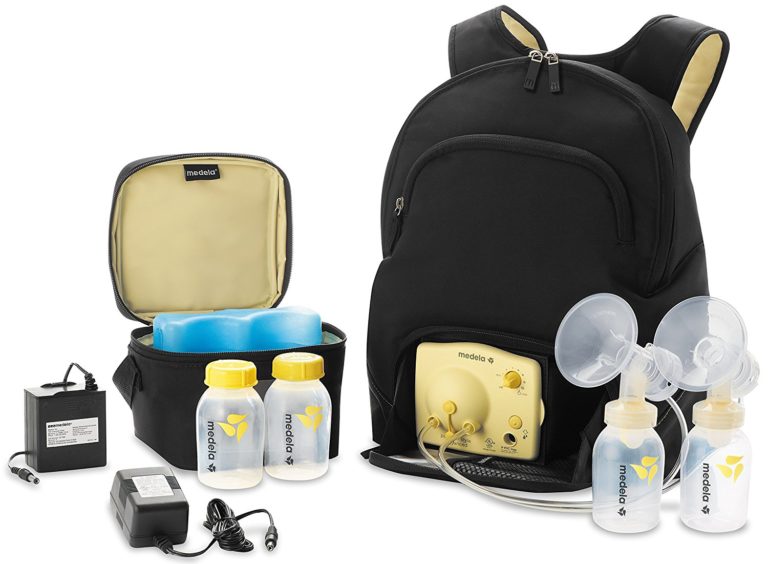
TSA permits formula, breast milk, toddler drinks and baby food in quantities greater than 3.4 ounces in carry-on baggage, in reasonable quantities for the trip. Ice packs, freezer packs and gel packs used to keep them cold are also permitted, including when they are partially or fully melted.
Two details do most of the work:
- The child does not have to be with you. You may carry breast milk without the baby present.
- “Reasonable quantities for the trip” is the standard, not a fixed number of millilitres. A day of flying justifies more than a short hop, and that judgement sits with the officer.
TSA
What you may carry above the normal liquid limit
Breast milk
Reasonable quantities. The child does not have to be travelling with you.
Formula
Made up or as powder. Powder plus water bought airside is the easiest route.
Toddler drinks & baby food
Same exemption, same screening.
Ice and gel packs
Permitted to keep the above cold — including partially or fully melted.
Your own drink
The exemption is for the baby’s supplies, not the adult’s coffee.
How screening actually goes
The exemption is not a free pass through the scanner; it is permission to carry more, screened differently.
- Take the liquids out of your bag and put them in a separate bin.
- Tell the officer before screening starts. This is the step people skip and it is the one that costs time.
- Expect additional screening. Containers may be tested. You can request that milk not be opened or X-rayed — officers will then use alternative screening, which takes longer and may include a pat-down.
None of this is unusual and none of it is a problem, provided you have built ten minutes into your plan for it. The parents who have a bad time at security are the ones who did not.
At the checkpoint
The order that keeps it quick
- 1Take the liquids outInto their own bin, before anything goes on the belt.
- 2Say what they areTell the officer before screening starts. This is the step people skip and the one that costs the time.
- 3Expect extra screeningContainers may be tested. Entirely normal, and not a problem if you budgeted ten minutes for it.
- 4You may decline X-rayAsk for milk not to be opened or X-rayed and alternative screening is used — which takes longer and may include a pat-down.
Packing it so it survives the day
- Powder beats liquid. Pre-measured powder plus bottled water bought after security avoids the whole conversation and weighs far less. Buy the water airside.
- Rigid containers. Bags of milk in a bin under other bins is how milk gets lost.
- Split the supply. Some in the bag, some elsewhere, so one spill is not the whole trip.
- Label it if it is breast milk — it makes screening quicker.
- Bring more than the flight needs. The delay is what you are packing for.
Cabin crew will usually warm a bottle, and there is no rush on a normal flight — but they are busiest exactly when you want it, at boarding and before service. Ask early.
Side by side
Normal liquids vs baby liquids
Normal carry-on liquid
Baby liquid
Volume
3.4 oz / 100 ml per container
Larger, in reasonable quantities for the trip
Where it travels
Inside the quart-sized bag
Outside it, screened separately
Do you declare it?
No
Yes — tell the officer before screening
Ice packs
Must be frozen solid
Permitted even when melted
Child present?
n/a
Not required for breast milk
Outside the US
The exemption described here is TSA’s, so it applies at US airports. Most countries operate something similar for baby food and milk, and the details differ — some require the child to be travelling, some ask you to taste the liquid.
On a trip with connections abroad, check the rules for the airport you will be screened at, not just the one you leave from. Being screened again at a transfer point is the case people forget.
The short version
- Yes, you can bring more than 3.4 oz of milk, formula and baby food.
- Take it out, declare it, allow extra time.
- Ice packs are fine, melted or not.
- Powder plus airside water is the easiest life.
- Different country, different rules — check the transfer airport too.
Part of flying with a baby. If feeding on the descent is the plan, the ear pain guide explains why the timing matters. For carrying it all, the diaper bag guide is the practical one, and milk storage bags covers the containers.