A space heater is a cheap fix for a cold room. It’s also one of the easier ways to start a house fire. Both are true, and the second has far more to do with how you buy it and where you put it than with the heater itself. So here’s the plain version: what to look for on the box, where it goes, and what you never do.
Heating equipment starts a lot of home fires. Between 2020 and 2024, about 37,365 home fires a year were caused by heating equipment. Those fires killed an estimated 417 people a year and injured 1,260. Space heaters and heating stoves caused about 30% of them but 73% of the deaths. And 46% of the fires came between December and February.
Cold months, small rooms, big risk.
A list of models goes stale in a season, and the deciding spec is printed on the box anyway. What lasts is knowing which lines on that box matter, and which habits keep a good heater from turning into a bad day.
Pick the Type: Oil-Filled, Fan, Ceramic or Infrared

Electric heaters come in four kinds: an oil-filled or water-filled radiator, a fan-forced unit, a ceramic one and an infrared one. All four turn power into heat. Where they differ most is on the label, not the shape.
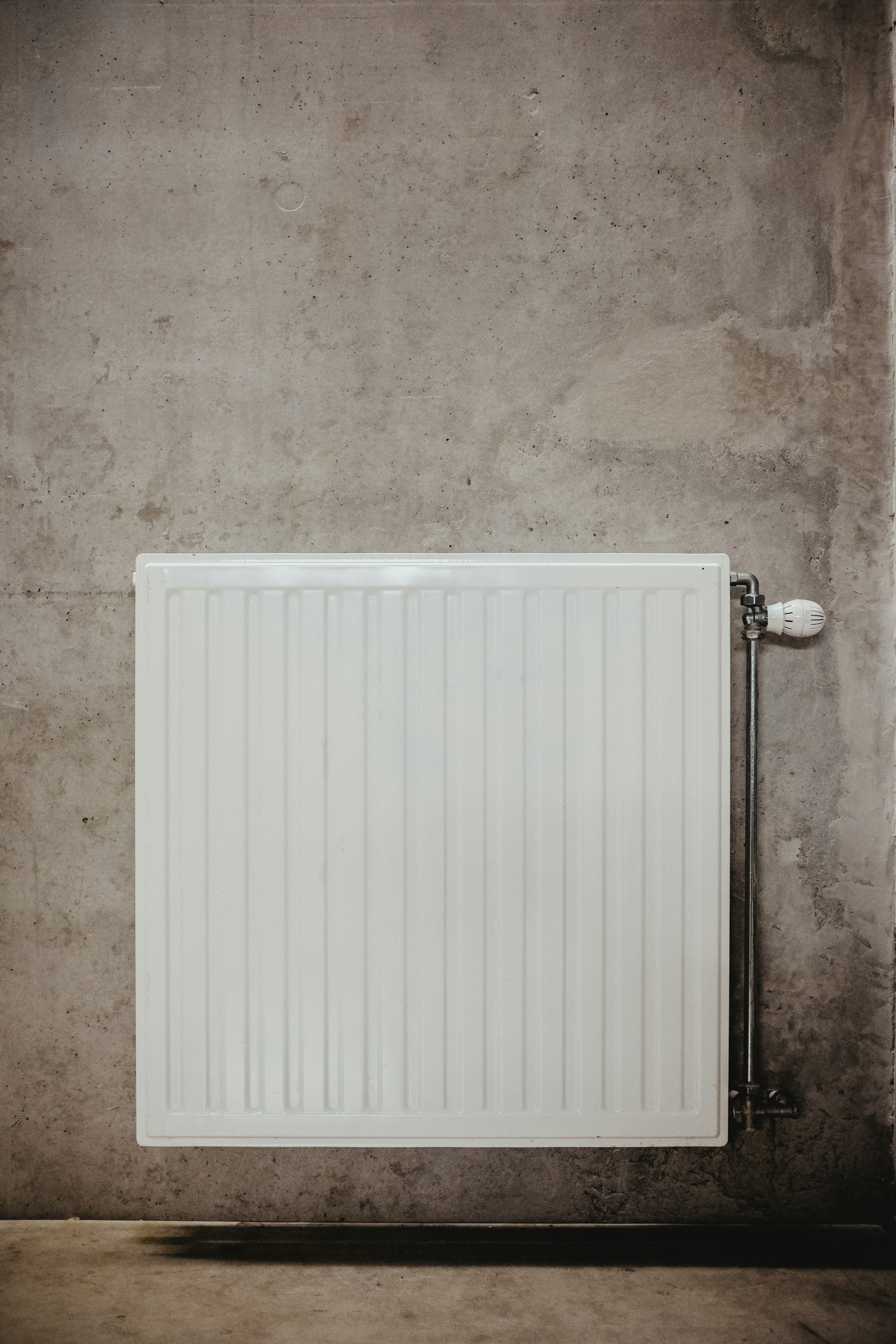
An oil-filled radiator looks like a small plug-in cousin of the wall radiator above, ribbed fins and all. For a bedroom or home office I’d start there. Its surface still gets hot, so every clearance rule below applies to it too.
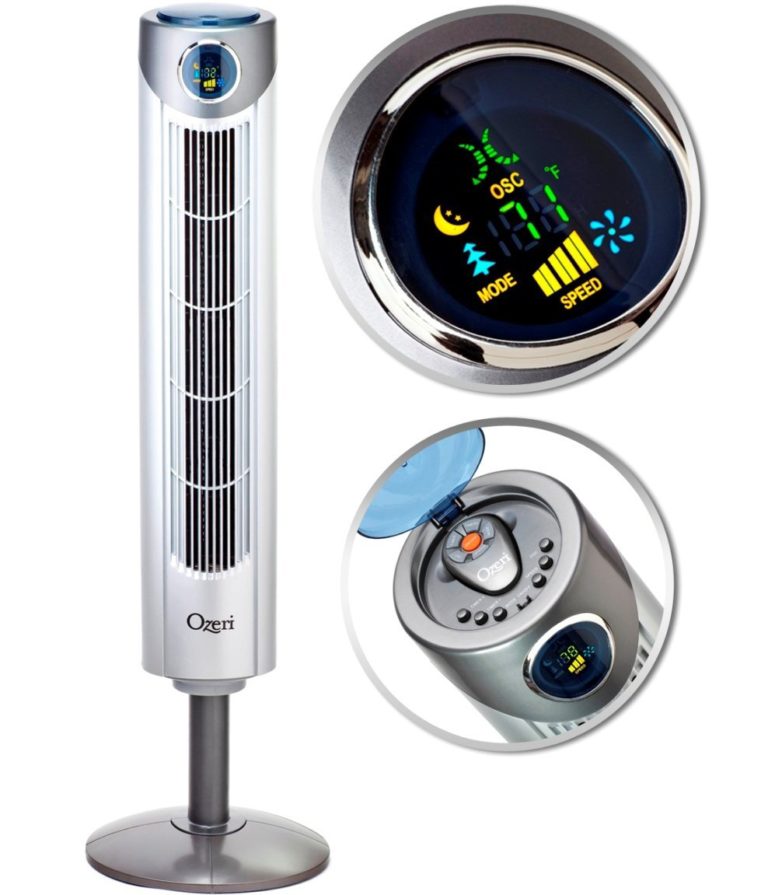
A fan-forced or ceramic heater is the compact kind. An infrared one is the kind you aim at a spot. Honestly, the type matters less than the safety features, so don’t burn a week choosing between them (I’d rather you spend that time reading the label).
Who should skip a space heater altogether? Anyone planning to heat a whole house with one. And anyone about to haul an old one out of the attic: the CPSC warns that older heaters may not meet the newer safety standards, so a hand-me-down is the one I’d leave behind.
The Features on the Label That Decide It
Start with the mark of a testing lab. A heater certified by a nationally recognized testing laboratory has the most up-to-date safety features, and older heaters may not meet newer standards. That makes the lab mark the deciding spec. It’s pretty much the one thing I’d never trade for a lower price.
Next comes an automatic shut-off if the heater tips over. That cut-off is now required on electric and kerosene heaters, along with more guarding around the heating coils. If a box doesn’t mention it, put the box back. A guard around the element is worth it too, especially where children or pets share the room.
Then thermostat and overheat protection: you want both. The thermostat holds the temperature, so the heater cycles off by itself once the room is warm instead of cooking on high all evening. The overheat cut-off is the backup. If you only read one line of the spec sheet, read those three.
Put those four on a sticky note and take it to the store. It sounds fussy, but a few seconds of reading the spec sheet beats any amount of regret later. Every heater on the shelf will say “safe” somewhere on its packaging. Only the actual features tell you what you’re getting.
Last, the cord. Look at it before you buy and again each time you set the heater up. A frayed cord or a scorched plug means the heater is done. It’s the part nobody looks at, and it’s where I’d check first.
Where to Put It: Three Feet Clear, on a Hard Floor

Three feet. Everyone repeats it, and there’s a reason: a space heater belongs at least 3 feet from anything that can burn, bedding, drapes and furniture included. That counts the chair, the laundry basket and the curtain that hangs almost to the floor.
It counts people and pets too. Picture a chair parked in front of a radiator, with a cat stretched out on it. Animals pick the warm spot, and a small child won’t keep a polite distance, so children and pets stay away from space heaters. In a room where that’s hard to do, I’d heat it another way.
Drafty windows are where people want the heater, and that’s exactly where the drapes hang. So tie the curtains back or choose another wall. A heater beside a curtain breaks the three-foot rule even when everything else looks fine. The room only needs to be a bit warmer, not baked.
Measure it once with a tape. Three feet is longer than it looks from the sofa, and a quick tape check settles every argument about where the heater goes.
Then the floor. Put the heater on a level, hard, nonflammable surface, never on a rug, carpet or bedding. A soft or uneven surface can tip it, and a tipped heater is what the shut-off switch exists for. Keep it out of foot traffic. And never put it where it blocks the way out.
If the room is a nursery, that’s a different level of risk. Our baby safe sleep gear guide is where I’d start before any heat source goes near a crib.
Plug It Straight Into the Wall, and Turn It Off When You Leave

Here’s the part people skip. Plug a space heater straight into the wall, never into an extension cord. I’d call this the habit that matters most, because it costs nothing to get right.
It has a practical side. If the outlet is far from where you want the heat, you can’t cheat with a cord. Move the heater or pick another room. Who should skip it? Anyone whose only outlet sits behind the sofa, across the room, where a cord would snake past everyone’s feet.
And turn it off. Never leave a space heater on when you go to sleep, and switch it off whenever you leave the room. Unplug it too. Setting it to low doesn’t change any of that. Turns out the safest heater is the one that’s off and unplugged when nobody is watching it.
Gas, Kerosene and Wood: Fuel-Burning Heaters Need Alarms

Everything above is about electric heaters. A fuel-burning one adds a second danger: carbon monoxide poisoning and indoor air pollution when it’s badly vented or burns incompletely. You can’t see or smell the gas. Without an alarm, you won’t know.
Portable fireplaces deserve a warning too, because the fuel, the device and the open flame can all be dangerous. Skip them in a small closed room. Honestly, I’d skip them in most rooms.
So the rules change. If you use an unvented fuel-burning heater, keep a door open to the rest of the house and follow the maker’s instructions for combustion air. Have gas and kerosene heaters inspected each year. A mobile home needs heating equipment made for it. Chimneys and heating systems get the same yearly treatment: the NFPA says to have them inspected and cleaned before you fire them up.
Two newer safety parts are worth knowing by name. Unvented gas heaters now need an oxygen depletion sensor, which shuts the heater off if the oxygen level drops too low. Vented gas heaters need a spill switch, which turns the heater off if the vent is blocked or disconnected. If a gas heater doesn’t mention them, that’s your answer.
The alarms are what nobody wants to buy until they need them. Put a smoke alarm with fresh batteries on each level of the house and in every bedroom, and a carbon monoxide alarm outside the bedrooms in each separate sleeping area. They cost little next to what they protect.
Test yours today. Seriously.
Who Should Skip a Space Heater
A space heater is the right tool for a small room your central heat doesn’t reach. For a lot of other jobs it’s the wrong one. If you can’t give it three feet of clear floor, the answer is no. If the only outlet is behind the couch, no. If the people in the room won’t stay clear of it, no again. And if you’re hoping it will stand in for a broken furnace, call a repair service.
For whom does a space heater make sense? A home office that never gets warm, a bedroom at the far end of the hall, a workbench where you’ll sit for an hour. Short stays in one small room, with you in it. It makes much less sense for heating a place nobody is watching, or a room where kids play on the floor.
In short: a lab-listed heater with tip-over shut-off, a thermostat and overheat protection; a hard floor, a clear three feet and a wall outlet. Off and unplugged when you leave or go to bed. Working alarms in the bedrooms. That’s the whole job, and it takes a few minutes. And if you’re also bundling a baby into the car on a cold morning, the guide to puffy coats and car seats covers the other winter trap.
Six months in, the heater you bought will be the one you’ve stopped thinking about. That’s the goal.